
When your site becomes a muddy mess, tight on space, or environmentally sensitive, tracked dumper hire is the tool you need to keep materials moving. These machines thrive where wheeled alternatives get stuck. They offer unbeatable traction with minimal ground disturbance. For challenging ground conditions across Norfolk and Suffolk, they are often essential.
Why Tracked Dumpers Are Your Secret Weapon on Site
Have you ever tried pushing a loaded wheelbarrow across a waterlogged field? Every step is a battle. The wheel sinks, chews up the ground, and leaves deep ruts you’ll have to fix later.
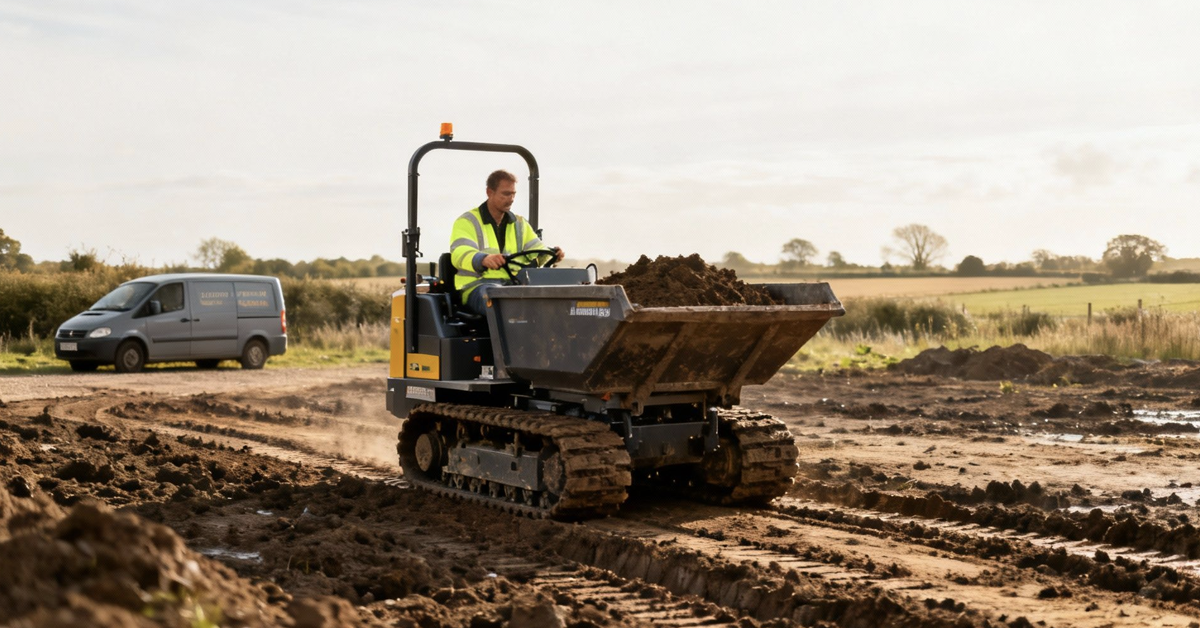
Now, imagine gliding over that same surface on wide planks. That’s the difference a tracked dumper brings to your project. Its rubber tracks spread the machine’s weight over a much larger area. This massively reduces the pressure on the ground.
This single feature makes tracked dumper hire a game-changer for groundworks, drainage, and landscaping jobs. Instead of churning up delicate turf or soft soil, these machines move with a light touch. This protects the surface and saves you time and money on costly repair work after the main job is done.
Unlocking Efficiency in Tough Conditions
Here in East Anglia, the weather can turn a firm site into a bog overnight. This advantage is critical. A tracked dumper keeps your project moving forward. It ensures productivity doesn’t stop just because of some rain. This reliability is vital for hitting your deadlines and keeping the job profitable.
The benefits are clear and immediate:
- Superior Traction: The tracks maintain a constant grip on slippery or uneven ground. This prevents wheel spin and ensures safe movement, even on slopes.
- Minimal Ground Damage: Low ground pressure is perfect for working on established lawns, sensitive areas, or soft ground. It saves you a fortune in repair costs.
- All-Weather Operation: Unlike wheeled machines that get bogged down, tracked dumpers keep working well in wet and muddy conditions.
For civil engineering contractors, choosing tracked over wheeled dumpers can cut ground damage by up to 30% on wet Norfolk soils. That translates into big savings on restoration costs.
Tracked vs Wheeled Dumpers: A Quick Guide
Making the right choice between tracked and wheeled dumpers often comes down to your specific site conditions. This table gives a quick overview to help you decide which is the better fit.
| Feature | Tracked Dumper | Wheeled Dumper |
|---|---|---|
| Ground Pressure | Very low – ideal for soft, wet, or sensitive ground. | Higher – best for firm, stable surfaces like hardcore. |
| Traction | Excellent on mud, slopes, and uneven terrain. | Good on firm ground but can struggle in wet conditions. |
| Site Damage | Minimal – protects turf and soft soil, reducing repairs. | Can cause ruts and churn up soft or wet ground. |
| Best Use Case | Landscaping, conservation work, winter groundworks, boggy sites. | General construction, roadworks, and hard-standing sites. |
| Speed | Slower, designed for stability over speed. | Faster on firm, level ground, covering distances quickly. |
Ultimately, if your site is anything less than perfect, a tracked dumper provides reliability. Its low impact keeps the job on track without creating more work for you later.
Your Trusted Partner in Plant Hire
At Aylsham Plant Solutions, we understand the unique demands of working in this region. As a family-run business with over 50 years of local experience, we’ve seen how the right machine can make or break a project.
Our commitment is to provide not just a piece of equipment, but a dependable service. We support your goals from start to finish. We offer honest, expert advice to make sure you get the perfect machinery for your job. Understanding the basics is key, which is why we’ve put together a guide on what is groundwork in construction.
Matching the Dumper to Your Project’s Demands
Picking the right tracked dumper is not just a box-ticking exercise. It’s a decision that directly affects your project’s efficiency, budget, and timeline. If you go too small, you will make endless trips, burning fuel and wasting hours. But if you hire a machine that’s too big, you will pay for capacity you don’t need while struggling with tight site access.
The key is to match the machine’s abilities to what your site demands. By looking at payload, access, and ground conditions, you can make sure your tracked dumper hire is an asset, not a costly mistake.
Assessing Your Payload and Material Volume
First, you need a solid estimate of the volume and weight of the material you’re shifting. This calculation points you towards the right payload capacity.
Think of it like hiring a removal van. You wouldn’t book a massive lorry to move a single armchair. You also wouldn’t try to shift a five-bedroom house with a small van. The same logic applies here. To get this right, using good construction takeoff software during planning can be a game-changer.
Let’s look at a few common scenarios:
- Small-Scale Landscaping: For a garden makeover, you’re probably moving a few tonnes of topsoil or aggregate. A smaller machine like our 1-Tonne Tracked Dumper is perfect for this.
- Foundation Excavation: Digging out footings for a new extension could easily generate 20 to 50 tonnes of spoil. That calls for a machine like our 3-Tonne Tracked Dumper that can handle repeated, medium-sized loads.
- Bulk Earthmoving: Site clearance for a new housing development means shifting hundreds of tonnes. This is where you need a high-capacity workhorse like our 6-Tonne Tracked Dumper to keep the project moving.
Choosing the Right Size Dumper
At Aylsham Plant Solutions, we have a fleet of plant and machinery suited for varied jobs across Norfolk and Suffolk. Each dumper size brings its own unique advantages.
1-Tonne Tracked Dumper
This is your nimble navigator. With its narrow body, it’s built for jobs where getting in and out is the biggest headache.
- Ideal Use: Perfect for residential garden projects, squeezing down tight alleyways, or working inside enclosed courtyards.
- Real-World Example: Shifting soil and rubble from a back garden renovation through a standard garden gate, where a bigger machine wouldn’t fit.
3-Tonne Tracked Dumper
This is the versatile all-rounder of the fleet. It offers a great balance between a compact size and a decent carrying capacity.
- Ideal Use: An excellent choice for small to medium-sized sites, like foundation digs, drainage installations, and utility trenches.
- Real-World Example: Clearing spoil from footing excavations for a new build, efficiently moving material from the dig site to a skip or stockpile area.
6-Tonne Tracked Dumper
The powerful workhorse. When you have large volumes of material to move quickly and efficiently, this is the machine you need.
- Ideal Use: Best suited for larger construction sites, bulk earthmoving jobs, and major commercial landscaping projects.
- Real-World Example: Hauling large quantities of aggregate across a large housing development site to create roadways and hard standings.
Choosing the right size isn’t just about what it can carry—it’s about maximising your productivity. A well-matched dumper can cut the number of trips needed by over 50%. This saves you a significant amount in time and fuel costs over the hire period.
Don’t Forget Hi-Tip Functionality
Payload is one thing, but you also need to think about how you’ll unload the material. A standard dumper tips its load forward. This is fine if you’re just creating stockpiles on open ground.
But if you need to load material into skips or high-sided lorries, a hi-tip tracked dumper is essential. These machines use a hydraulic system to lift the skip straight up before tipping. This lets you clear the sides of a builder’s skip with ease.
This feature prevents the hard work of handling materials twice. It also helps keep your site tidy and efficient. Have a look through our full range of dumpers for hire to find the perfect fit for your unloading needs.
Understanding the True Cost of Hiring a Dumper
When budgeting, it’s easy to focus on the daily hire rate for a piece of plant. But the real cost of getting a tracked dumper on-site involves more than one figure. If you understand all the parts, you can plan your finances properly. You can see dumper hire as a smart move that saves you money in the long run.
The biggest financial win with hiring is avoiding the huge costs of ownership. Buying a tracked dumper is a massive initial expense, and it doesn’t stop there. You are also responsible for maintenance, servicing, insurance, secure storage, and depreciation, which reduces its value every day.
Hiring rolls all of those headaches into one clear payment. A major capital investment becomes a manageable operational cost. This frees up cash for other critical parts of your project.
Breaking Down Your Hire Quote
Several key factors will shape the final price of your tracked dumper hire. At Aylsham Plant Solutions, we believe in being completely upfront. You’ll always know exactly what you’re paying for under our clear CPA model conditions.
Here’s what typically influences your quote:
- Hire Duration: Longer hire periods often mean a lower daily rate, giving you better value on extended projects. We can create flexible terms to match your timeline.
- Machine Size: A 6-tonne dumper will have a higher hire rate than a compact 1-tonne model. Bigger capacity means higher operational costs.
- Delivery and Collection: Logistics are a key part of the cost. We calculate this based on the distance from our Aylsham base to your site.
- Operator: You can hire the machine on its own (self-drive) or with one of our certified, experienced operators for an additional fee.
Picking the right size dumper from the start is vital for keeping costs down, as this simple guide shows.

This flowchart helps you match the job—from small garden tasks to bulk earthmoving—with the right dumper size. It stops you from overspending on capacity you simply don’t need.
The Value of Long-Term Hire
While short-term hire is perfect for one-off jobs, thinking longer-term can unlock serious savings. Hiring a machine for a full week is nearly always more cost-effective than hiring it for five separate days.
By opting for a weekly or monthly hire, you can reduce the daily rate. You also minimise transport costs from multiple deliveries and ensure the machine is always ready on-site. This continuity is vital for maintaining project momentum.
This strategy pays off on larger groundworks or construction projects where timelines can shift. Our guide on how long you should hire equipment for offers more advice on making this decision. A bit of forward planning saves both time and money.
The demand for efficient ways to move earth is growing, highlighting the value of reliable hire services. In fact, the UK market for plant and machinery like dumpers is projected to grow significantly by 2030. This shows a clear industry trend towards using specialist equipment for groundworks.
Ultimately, understanding the full cost of tracked dumper hire lets you budget with confidence. When you weigh up all the factors, you can see that hiring from a trusted local partner is a smart financial decision that keeps your project on solid ground.
Mastering Site Safety and Operational Checks
Getting a tracked dumper delivered to your site is one thing. Making sure it can work safely and efficiently is where the real work begins. A safe site is a productive site. That starts long before anyone turns the key.
This is about more than just ticking boxes on a checklist. It’s about being proactive with safety. Before the dumper arrives, it’s vital to walk the site. You should assess the planned routes and look for any potential hazards.

Preparing Your Site for Dumper Arrival
Proper site preparation is the foundation of safe dumper operation. The goal is simple: create a controlled environment. This allows the operator to focus on moving materials, not dodging obstacles.
First, check the ground stability. Look for soft spots, hidden voids, or recently backfilled trenches that might not hold the dumper’s weight. The low ground pressure of a tracked dumper helps, but it isn’t invincible on unstable ground.
Next, map out clear and safe travel routes. These pathways should be:
- Well-defined: Kept clear of obstructions, debris, and people.
- Wide enough: Allowing the dumper to pass without any risk of collision.
- Checked for hidden dangers: Have you located all underground services like water pipes, gas lines, and electrical cables? Hitting one of these is not just expensive—it’s very dangerous.
Establishing exclusion zones around loading and tipping areas is essential. This simple action drastically cuts the risk of accidents involving ground personnel. This is still one of the most common causes of serious incidents on UK construction sites.
Daily Checks and Operator Diligence
Once the dumper is on site, the responsibility falls to the operator. A thorough pre-start check is the most effective way to catch potential mechanical faults. It ensures the machine is safe for the day’s work. This isn’t a quick glance; it’s a systematic inspection.
Every operator should run through these checks before their shift starts:
- Track Inspection: Check for the correct tension, look for any damage, and clear out any debris in the undercarriage.
- Fluid Levels: Check oil, coolant, and hydraulic fluid levels to prevent overheating or system failure.
- Safety Features: Test the horn, beacons, lights, and—most importantly—the seatbelt and its interlock system.
- Controls and Brakes: Make sure all controls are responsive and that the brakes work perfectly.
This daily routine only takes a few minutes but can save hours of downtime. More importantly, it can prevent a serious accident. Clear communication between the operator and ground crew is also vital, especially when reversing or in congested areas.
Advanced Safety Features in Modern Dumpers
At Aylsham Plant Solutions, we invest in a modern fleet for a reason. Newer plant and machinery is packed with superior safety technology designed to protect your team. These features aren’t just optional extras; they are built into the machine’s core design. They help you meet the UK’s tough safety standards.
For example, many of our dumpers come with ROPS (Roll-Over Protective Structure) and FOPS (Falling-Object Protective Structure) certified cabs. This gives the operator a secure space in the rare event of an incident. Other key features include excellent all-round visibility from the cab, which helps to reduce blind spots.
These safety features are always improving. Innovations like seatbelt interlocks and automatic speed control are designed to meet UK safety rules and reduce incidents on busy sites.
By combining thorough site preparation, daily checks, and the features of a modern tracked dumper hire, you create a secure and efficient work environment. This approach makes us more than just a supplier. We become your partner in keeping your project safe, compliant, and on track.
How Our Hire Process Keeps Your Project on Track
We believe hiring plant and machinery should be a straightforward part of your project—not another problem to solve. At Aylsham Plant Solutions, our hire process is designed around the needs of contractors in Norfolk and Suffolk. We make sure you get the right machine, at the right time, with zero fuss.
We handle the logistics so you can focus on the job. Our approach is built on clarity, reliability, and our deep local knowledge.
Step 1: Your Initial Enquiry and Expert Advice
It all starts with your first call to our team. This isn’t just an order-taking exercise; it’s a consultation. We take the time to listen and understand the details of your project. Whether it’s a tight-access garden clearance or bulk earthmoving for a new development, we can help.
With over 50 years of experience, we provide honest advice to help you choose the perfect tracked dumper hire. We’ll ask about your site access, ground conditions, and the volume of material you’re moving. This ensures you don’t pay for a machine that’s too big or struggle with one that’s too small.
Step 2: A Clear and Transparent Quote
Once we’ve figured out the right machine for you, we provide a clear, detailed quote. You won’t find any hidden fees or confusing jargon here.
Our pricing is based on competitive rates under CPA model conditions and covers:
- The specific dumper model and its capabilities.
- Your required hire duration, with flexible options available.
- A transparent cost for delivery and collection to your site.
This clarity means you can budget accurately and confidently. We believe building trust starts with being completely upfront about costs.
Step 3: Precise Delivery and Collection
A key advantage of working with a local specialist is our logistical flexibility. Unlike national chains with rigid schedules, we understand the pace of work on local sites. We’ll coordinate with you to arrange a precise delivery window that fits your project timeline. This makes sure the dumper arrives exactly when you need it to avoid costly delays.
Our professional drivers conduct a full handover. They ensure your operator is comfortable with the machine’s controls and safety features. When the job is done, we arrange a prompt collection to keep your site clear.
Our commitment is to provide a supportive, hassle-free experience. We aim to be more than just a hire company; we want to be your trusted partner in getting the job done right.
Step 4: Integrating Hire into a Complete Groundwork Solution
For many projects, tracked dumper hire is just one piece of the puzzle. We can seamlessly integrate your dumper hire into a complete groundwork package. We can provide everything from excavators to rollers.
This single-supplier approach saves you the headache of coordinating with multiple companies. We manage the machinery logistics as a whole, ensuring every piece of equipment works together efficiently. It streamlines your operations, reduces admin, and keeps your project moving forward smoothly. By partnering with us, you gain a reliable ally dedicated to keeping your work on track.
Got Questions About Tracked Dumper Hire? We’ve Got Answers
When you’re planning a job, questions often come up about hiring a tracked dumper. Getting the right answers means you can hire with confidence. You’ll know you’ve got the right machine for the task.
Here are the straightforward answers to the questions we hear most often.
What Size Dumper Do I Need?
Choosing the right payload capacity is a critical decision. Get it right, and your site runs like clockwork. Get it wrong, and you’re either bogged down with too many trips or paying for a machine that’s too big for the job.
The key is to match the dumper’s size to the scale of your work. For smaller jobs, a compact machine is your best bet. As the volume of material increases, you scale up the dumper to keep things efficient.
Here’s a quick guide to matching our dumper sizes to common jobs:
- 1-Tonne Dumper: This is your specialist for tight spots. It’s perfect for garden renovations, landscaping in confined gardens, or any job where squeezing through narrow gates is the biggest hurdle.
- 3-Tonne Dumper: The versatile workhorse. This size is ideal for most small to medium-scale foundation digs, utility trenching, and general site clearance. It offers a good balance of capacity and agility.
- 6-Tonne Dumper: For the big jobs. When you’re dealing with serious site clearance, bulk earthmoving, or large-scale civil engineering projects, this is the machine you need to shift material fast.
Getting this decision right has a huge impact on your project’s bottom line. You avoid paying for a machine that’s too big while preventing the costly delays from using one that’s too small.
Do I Need a Special Ticket to Operate a Dumper?
Yes, you do. Operating a tracked dumper safely and legally in the UK means the operator must be competent and properly trained. This is a legal requirement under health and safety legislation to ensure everyone on site is protected.
Competency must be formally demonstrated through a recognised certification. Operators must hold a valid qualification from an accredited body.
The two most widely recognised tickets in the UK construction industry are:
- CPCS (Construction Plant Competence Scheme): This is often seen as the industry gold standard.
- NPORS (National Plant Operators Registration Scheme): This is a flexible and widely accepted alternative to CPCS.
Making sure your operator holds one of these qualifications is essential. It proves they have the skills to handle the machine safely, understand its limits, and contribute to a secure working environment.
How Does Delivery and Collection Work?
We know that logistics can make or break a project’s schedule. That’s why our delivery and collection process is designed to be as smooth and predictable as possible.
We’ll work with you to coordinate a delivery time that fits your workflow. Our goal is to have the tracked dumper on-site and ready to go exactly when you need it. Our experienced drivers know the local roads, so you can count on reliable, on-time deliveries.
When the machine arrives, our driver will do a full handover. They will walk your operator through the controls, safety features, and daily checks.
Once your hire is finished, we’ll arrange a prompt collection to prevent site congestion. It’s a seamless process from start to finish.
What Happens If the Machine Breaks Down?
Even with a modern, well-maintained fleet of plant and machinery, things can occasionally go wrong. We know that any downtime is lost time. That’s why we have a rapid-response support system to get you back up and running as quickly as possible.
The first thing to do is call us immediately. The moment we get your report, our support process begins. Our promise is simple: to minimise disruption and keep your schedule on track.
Here’s how we handle a breakdown:
- Initial Chat: We’ll try to diagnose the problem over the phone first, as some issues can be sorted with quick guidance.
- Fitter on the Way: If it can’t be fixed remotely, we’ll dispatch one of our skilled fitters to your site as a priority.
- Repair or Replace: Our fitter will aim to fix the machine on-site. If a quick repair isn’t possible, we’ll arrange for a replacement machine to be delivered, ensuring minimum delay.
This commitment to fast, effective support means you can hire from us with confidence, knowing we’ve got your back.
Ready to get your project moving with the right tracked dumper? Contact Aylsham Plant Solutions today for expert advice and a clear, competitive quote on your hire needs in Norfolk and Suffolk. Visit us at https://aylshamplantsolutions.co.uk to see our full range of plant and machinery.
Related Posts