
If you are planning a project in Norfolk or Suffolk, hiring a micro digger is one of the smartest moves you can make. From garden overhauls in Norwich to groundwork for an extension in Ipswich, these compact workhorses save you from back-breaking labour and get the job done fast.
Best of all, they are designed to navigate the tight spaces that are so common in our region’s properties.
Why a Micro Digger Is Your Project’s Best Friend
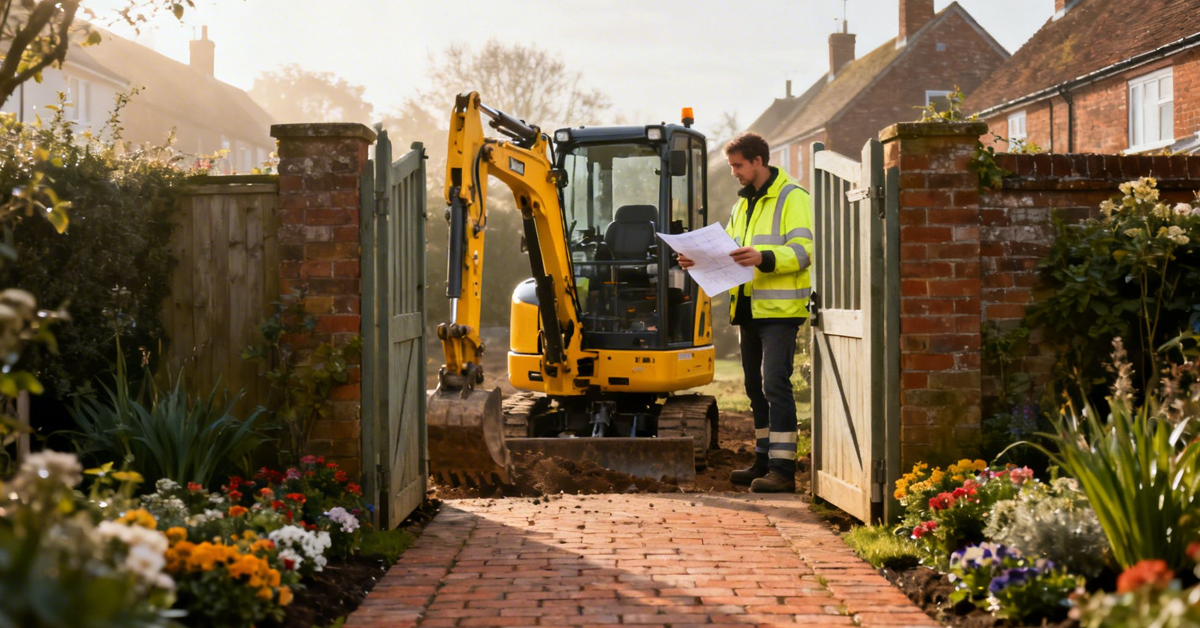
When you’re dealing with limited access, a micro digger is a genuine game-changer. These machines are built specifically to get into areas where larger equipment simply cannot go. We are talking about narrow garden gates, tight back alleys, or even indoor sites for renovation work.
Their small footprint means they can be moved carefully through residential gardens without churning up everything in sight. This makes them incredibly versatile for a huge range of jobs.
You might use one for digging trenches for new utilities, creating the foundations for a small extension, or clearing an overgrown patch of land for a new patio. A task that would take days with a spade and wheelbarrow can be finished in a matter of hours.
Boost Your Budget and Your Timeline
Hiring a micro digger is also a very cost-effective choice. For most domestic or small-scale commercial jobs, the cost of hiring the machine for a day or two is far less than paying for the manual labour needed to do the same work. This frees up more of your budget for other parts of the project.
The sheer speed they work at also helps you stick to those tight deadlines. This kind of efficiency is a major reason why the UK’s construction equipment rental market is booming. The sector grew to £9.4 billion in 2023. With new project orders recently jumping by 16.5%, the demand for compact, efficient machinery has never been higher. You can explore more about these market trends and see how they impact projects across the country.
The Value of a Local Hire Partner
For any project in Norfolk and Suffolk, partnering with a local expert like Aylsham Plant Solutions just makes the whole process smoother. We understand the unique ground conditions across East Anglia, from the heavy clay soils in parts of Suffolk to the sandy loam you find in areas of Norfolk.
Our fleet is packed with modern, well-maintained micro diggers ready for any job you can throw at them. But we provide more than just the machine. Our team offers practical, hands-on advice to make sure you get the perfect machine and attachments for your specific task, whether you need a breaker for stubborn concrete or an auger for fence posts.
That local knowledge means your project starts on the right foot, with reliable machinery and support you can actually count on.
By choosing a local hire company, you benefit from faster delivery times, responsive on-site support, and practical advice tailored to the region’s specific challenges. It removes guesswork and keeps your project moving forward.
Micro Digger Hire Checklist At a Glance
Hiring a micro digger might seem straightforward, but a few key considerations can make all the difference. This table summarises the essential questions you should be asking to ensure your hire goes smoothly and your project stays on track.
| Consideration | Key Questions to Ask | Why It Matters |
|---|---|---|
| Machine Size | How wide is my narrowest access point? How deep do I need to dig? | Choosing a machine that is too large will not fit, while one that is too small will be inefficient and slow you down. |
| Attachments | What specific tasks do I need to complete (digging, breaking, drilling)? | The right attachment (e.g., breaker, auger, different bucket sizes) turns a standard digger into a specialised tool for your job. |
| Site Access & Prep | Is the path clear for delivery? Is the ground firm enough? | Poor access can delay delivery or even make it impossible. A quick check beforehand saves a lot of headaches. |
| Operator Skill | Do I have the experience to operate it safely (self-drive), or do I need a professional (operated hire)? | Safety is paramount. Operated hire reduces risk and often increases productivity if you’re not a seasoned operator. |
| Hire Duration & Cost | How long will I realistically need the machine for? Does the price include delivery, fuel, and insurance? | A clear understanding of the total cost and hire period helps you budget accurately and avoid unexpected charges. |
| Insurance & Permits | Is the hire covered by insurance? Do I need any local permits for the work? | You are responsible for the machine while it’s on hire. Ensuring proper cover and permits protects you from liability. |
Thinking through these points before you book does not just save you time. It ensures you are getting the most value out of your hire and setting your project up for success from day one.
Matching the Right Micro Digger to Your Job

When you are looking to hire a micro digger, it is tempting to think they are all the same. But getting the right machine for the job is the difference between a smooth project and a day full of frustration. A one-size-fits-all approach just does not work.
Before you book anything, it is worth thinking about the specifics. How deep are those foundations going to be? Are you lifting anything heavy, like concrete posts or drainage rings? Answering these questions first will point you toward the right machine and save you a headache later on.
Choosing the Right Size and Power
The terms “micro” and “mini” get used a lot for smaller excavators, but there are some big differences in what they can actually do. A 1-tonne micro excavator, for example, is brilliant for squeezing through tight garden gates in Suffolk, but it has its limits when it comes to digging depth and lifting power.
If you are tackling a slightly bigger job, like digging utility trenches for a new build near King’s Lynn, a 1.5-tonne or 3-tonne machine is probably a better shout. These models give you more reach and power but are still compact enough for most residential sites.
Always measure your narrowest access point before calling. Knowing this dimension allows our team at Aylsham Plant Solutions to immediately confirm which machines from our fleet will fit, saving you time and ensuring a smooth delivery.
This need for nimble machines is why the UK’s compact construction equipment market is set to be valued at £1.07 billion by 2026. As sites in our towns and villages get more cramped, picking the right compact digger is more important than ever.
Unlocking Versatility with Attachments
A micro digger’s real value comes from its attachments. You are not just hiring a machine with a digging bucket; you’re getting a tool that can tackle dozens of different jobs.
- Breaker Attachment: Absolutely essential for breaking up old concrete paths, driveways, or stubborn rock.
- Auger Attachment: Perfect for drilling clean, consistent holes for fence posts or tree planting.
- Grading Bucket: A wider, flatter bucket used to level ground and create a smooth finish for patios or landscaping.
- Trenching Bucket: A narrow bucket designed purely for digging trenches for pipes, cables, and drainage.
Think about a homeowner prepping a patio base in a tight Norwich garden. They would need a standard bucket for the main dig-out, then a grading bucket for the final levelling. A contractor putting in new drainage, on the other hand, would need a trenching bucket. By talking through the whole job with us, we can make sure you have all the attachments you need from day one.
To get a better idea of what is available, have a look at our guide to 1-tonne micro excavators and their specifications.
Should You Hire an Operator, or Go It Alone?
One of the first questions we get asked is: “Should I hire the digger with one of your operators, or just take it self-drive?” It is a great question, and the right answer really boils down to your confidence, the complexity of the job, and your budget.
Let us be clear, there is a place for both. Getting it right can save you a lot of time and money, so it is worth thinking through.
The Self-Drive Option: Full Control, Full Responsibility
Hiring a micro digger for self-drive puts you in complete control. You can work to your own schedule, chipping away at the job over a weekend or fitting it in around other tasks. For simple jobs on your own land, like digging a pond or clearing a patch for a new patio, this is often the most cost-effective way to go.
But it is not a decision to be taken lightly. You do not need a formal ticket to use a digger on private property, but you absolutely must be competent enough to handle it safely. These machines are powerful. An inexperienced operator can easily damage the digger, underground pipes, fences, or worse.
You will also need to sort out your own hired-in plant insurance. Once that machine is delivered to your site in Norfolk or Suffolk, it is your responsibility.
When to Call in the Pros: Operated Digger Hire
For anything more complex than a straightforward dig, hiring a digger with a trained operator is almost always the smarter move. It takes the pressure off you and puts the job in the hands of someone who runs these machines day in, day out.
At Aylsham Plant Solutions, our operators are fully trained, certified, and know our micro diggers inside and out. They are quicker, more precise, and can spot potential problems before they happen. This is not just about making the work safer; it is about getting it done right, the first time.
Do not just think about the day rate. A skilled operator will often finish a job in half the time it would take a beginner. That can easily make an operated hire cheaper in the long run.
Making the Call: What’s Right for Your Project?
So, how do you decide? An experienced landscaper who has used diggers for years will probably be comfortable with self-drive. A homeowner looking to dig footings for an extension will almost certainly benefit from a professional’s speed and expertise.
Here is a quick checklist to help you think it through:
- Your experience level: Have you used a micro digger before? Are you truly confident with the controls and aware of the safety checks?
- The job itself: Is it a simple trench in an open field, or are you working close to buildings, services, or on uneven ground?
- Your schedule: Is there a hard deadline? A pro operator works methodically and efficiently, which is vital when time is tight.
- The real cost: A lower daily rate for self-drive is tempting, but factor in the potential for a longer hire if you are slow, or the cost of fixing any mistakes. An operated hire might just be the more economical choice overall.
Getting Your Site Ready for a Micro Digger
A bit of prep work before your micro digger turns up can make all the difference between a smooth, efficient job and a day full of headaches. Taking a few moments to get your Norfolk or Suffolk site ready ensures the delivery goes off without a hitch and, more importantly, keeps everyone safe.

First things first, get the tape measure out. You need to check the width of every gate, alleyway, or garden path the digger has to pass through. It is a simple check, but it is absolutely critical. Find the narrowest point and let us know the measurement when you book. It guarantees we send a machine that can actually get to where you need it.
Identifying and Marking Underground Hazards
Before a single bucket of earth is moved, you have to know what is buried underneath. Hitting a gas pipe, water main, or electrical cable is not just an expensive mistake; it can be incredibly dangerous.
We always recommend using a CAT (Cable Avoidance Tool) scanner to sweep the area and locate any services. You can also request plans from the utility companies. Once you know where they are, mark their routes clearly on the ground with spray paint or marker flags so there is no guesswork.
Never, ever take a chance with buried services. The few minutes it takes to find and mark them is nothing compared to the chaos a utility strike can cause. It is the single most important safety check you will do.
Creating a Safe and Stable Operating Area
With access confirmed and services marked, the final step is to prepare the actual work area. A micro digger is a powerful bit of kit, and it needs a stable, relatively flat patch of ground to work safely.
- Clear the Area: Move any garden furniture, planters, tools, or building materials well out of the way. You need a clear zone for the machine to move and swing.
- Establish a Spoil Pile Location: Decide beforehand where all the excavated soil is going to go. Make sure this “spoil pile” will not block access or sit on top of any marked utility lines.
- Check Ground Conditions: If the ground is very soft, muddy, or waterlogged after a lot of rain, you might need to lay down some ground protection mats. This stops the digger from churning up your lawn or getting bogged down.
And do not forget, if the job feels a bit much, our support goes beyond just hiring out machines. Aylsham Plant Solutions also delivers contract works services, where we can manage everything from site prep and groundworks to drainage installation. It is a big step up from just dropping off a digger.
Finally, knowing what to expect on the day helps. Our driver will always give you a call to let you know they are on their way. Be ready to meet them, show them the access route, and confirm where you want the digger placed. If you are a self-drive customer, they will happily give you a quick run-through of the controls to get you started. For more advice, check out our complete guide to mini digger hire in Norfolk.
Understanding Your Hire Costs and Responsibilities
Nobody likes getting hit with unexpected charges halfway through a job. When you hire a micro digger in Norfolk or Suffolk, knowing the full cost breakdown from the outset is the only way to keep your project on budget. It is not just about the daily rate, it is about understanding the complete picture.
The main hire cost is usually quoted per day or per week. For longer projects, a weekly hire almost always works out cheaper. But on top of that, you have got to think about delivery and collection fees. These are based on how far your site is from the depot, which is why sticking with a local firm like Aylsham Plant Solutions is a smart move to keep those costs down.
What Else Affects the Price?
Fuel is a big one. The digger will arrive with a full tank, and it is your job to fill it back up before we collect it. If you do not, you will be charged for the fuel, and it is usually at a higher rate than you would pay at the local petrol station.
Then there are the attachments. If you need something specific like a breaker for smashing concrete or an auger for fence posts, that is an extra cost on top of the machine hire. It is always best to list every task you plan to do so you can get a single, clear quote that covers everything you need from day one.
The UK’s plant and tool hire market, which hit £3.56 billion in 2023, is becoming more cost-focused. That is why transparent pricing and proper service are so important. Family-run specialists like us stand out by providing competitive quotes under clear CPA model conditions, meaning no nasty surprises. Good communication and quick maintenance also minimise downtime, protecting your budget.
Your Responsibilities on Site
Hiring a micro digger is not just about paying the bill; it comes with a few key responsibilities. The biggest one is insurance. As soon as that machine is delivered to your property, it is your responsibility. You absolutely must have hired-in plant insurance to cover theft, damage, or accidents. This is not optional. It protects you from a massive financial headache if something goes wrong.
You are also in charge of sorting any permits. If your work is going to block a public footpath or road anywhere in Norfolk or Suffolk, you will almost certainly need a licence from the local council. It is up to you to check what is needed and get the paperwork sorted before the digger even arrives.
At Aylsham Plant Solutions, we operate under clear CPA model conditions. This means our hire agreement is straightforward and built on industry standards, so you know exactly where you stand from the beginning. There are no hidden clauses or unexpected liabilities.
By getting a handle on these costs and responsibilities, you can plan your budget with confidence and make sure your project runs smoothly and legally.
Essential Safety and Maintenance Checks

When you hire a micro digger, respecting the machine’s power is the most important part of the job. Safety is not just about ticking boxes; it is a routine that prevents accidents and keeps your project running without a hitch.
Every machine from Aylsham Plant Solutions is thoroughly serviced before it leaves our yard, but a quick daily check before you start work is non-negotiable. Those few minutes are your best defence against unexpected problems.
Your Daily Pre-Start Inspection
Before you even turn the key, take five minutes to walk around the machine. This simple habit is the best way to spot a minor issue before it develops into a major headache.
- Check the Tracks: Look for any obvious signs of damage or excessive wear on the rubber tracks. Make sure they are tensioned correctly and clear of large stones or other debris that could cause issues.
- Inspect Hoses: Give all the hydraulic hoses a visual check for leaks, cracks, or bulges. Hydraulic fluid is under immense pressure, and a burst hose will stop work instantly.
- Fluid Levels: Quickly confirm that the hydraulic fluid and engine oil levels are where they should be. Running a machine with low fluids can cause serious, and expensive, damage.
- Controls and Safety Lever: Once you are in the seat, make sure all the controls move freely. Most importantly, know where the safety lock lever is and test it. This lever disables the hydraulics and is a critical safety feature you need to be familiar with.
Safe Operating Practices
Once the engine is running, your focus has to shift to operating the machine safely and effectively. A micro digger is incredibly stable when used correctly, but it demands your full attention, especially on uneven ground.
Always set up an exclusion zone around your work area. Keep people, pets, and vehicles well away from the digger’s swing radius to prevent any accidents. And remember to lower the dozer blade at the front before you start digging. This gives the machine crucial stability and stops it from rocking.
A stable machine is a safe machine. Rushing and taking large, unbalanced scoops is a common cause of tipping. Work methodically, keep the machine stable on slopes by tracking straight up or down them, and never travel across a steep incline.
If Things Go Wrong
Even the best-maintained machines can have a bad day. In the rare event of a breakdown, the most important thing is not to panic or try to carry out complex repairs yourself.
Your first move should be to make the machine safe. Lower the bucket and dozer blade to the ground, switch off the engine, and take the key out. Then, just give us a call. Aylsham Plant Solutions provides rapid on-site support across Norfolk and Suffolk. Our maintenance team will get out to you quickly to sort the problem and get you back to work with minimal delay.
Common Questions About Micro Digger Hire
When you are looking to hire a micro digger, a few questions always come up. We hear them from landscapers, builders, and homeowners across Norfolk and Suffolk all the time. Getting the right answers upfront makes the whole process smoother, so we have put together some straightforward advice on the most common queries.
How Small Is a Micro Digger, Really? Will It Fit Through My Garden Gate?
This is probably the number one question we get asked, and for good reason. The whole point of a micro digger is to get into tight spots where bigger machines cannot.
Most of our micro diggers are specifically designed for this, with retractable tracks that narrow the machine to under 750mm. That is slim enough to fit through a standard garden gate or a narrow side alley.
Before you book, though, it is always best to get the tape measure out. Check the narrowest point of your access route, and do not forget to account for any tight corners or obstructions. Just give us those dimensions, and we will make sure the machine you hire will get onto your site without any dramas.
Do I Need a Special Licence to Operate a Micro Digger?
For work on private land, the answer is no. You do not need a formal licence. However, that does not mean just anyone can jump on and start digging. You have a legal responsibility to be competent and safe.
If you are new to operating machinery or have any doubts at all, we strongly recommend our operated plant hire service. One of our certified operators will handle the work for you. It is not just safer; it is often faster and more efficient, saving you a lot of time and potential headaches.
What Is Included in the Hire Price?
It is crucial to know exactly what you are paying for to avoid any surprises later on. A clear quote is non-negotiable.
The hire price you see will cover the machine itself for the agreed-upon hire period. Other costs like delivery, collection, fuel, and insurance are usually itemised separately.
At Aylsham Plant Solutions, we provide a clear, detailed quote based on CPA model conditions. This means every cost is transparently laid out, so you know the full picture from the start.
Ready to get your project moving with the right equipment? Contact Aylsham Plant Solutions for a straightforward quote on micro digger hire in Norfolk and Suffolk. Get in touch with our expert team at https://aylshamplantsolutions.co.uk.
Related Posts