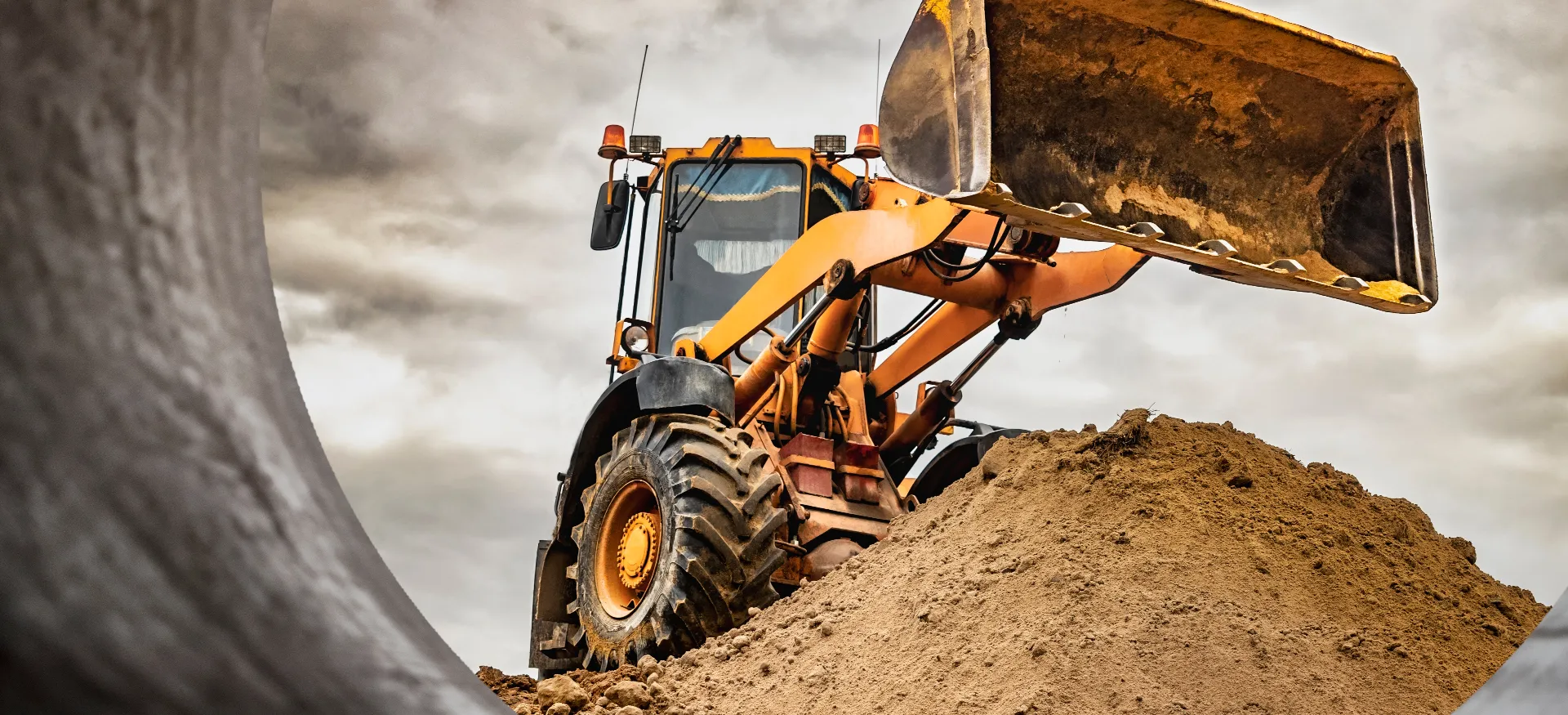
Understanding Flexible Equipment Hire Options
Construction projects vary greatly in scale and duration, so it makes sense that equipment hire periods do too. Whether you are managing a single-day groundwork job or a long-term housing development, flexibility is key. Equipment hire allows contractors to access the right machines for as long as needed, without the expense and commitment of ownership.
Hiring plant equipment has become the standard for modern construction, offering convenience and cost control. From excavators and dumpers to rollers and haulage, Aylsham Plant Solutions provides reliable hire options that adapt to every project.
What Affects How Long You Can Hire Equipment For?
Several factors influence how long equipment can be hired for. Understanding these can help you plan your project more efficiently and avoid unexpected costs.
Type of Project and Duration
The length and complexity of your project are the main factors that determine hiring duration. Short-term domestic jobs, such as garden work or driveway installations, may only require machinery for a few days. Larger commercial or construction sites, however, often need long-term hire agreements spanning several weeks or months.
When planning, it’s best to estimate the full scope of work and allow time for possible delays. Choosing the right hire period at the start prevents unnecessary extensions later.
Equipment Availability and Scheduling
The type of equipment you need also plays a part in hiring duration. Some high-demand machinery, such as mini excavators and dumpers, is booked more frequently. For larger or specialised items, advance booking ensures availability for your chosen dates.
Reliable suppliers like Aylsham Plant Solutions maintain a diverse fleet so that customers can secure the right machinery when it’s required. If a project extends, hire periods can usually be adjusted to keep work on track.
Budget and Cost Efficiency
Budget planning also affects how long equipment is hired for. Most suppliers, including Aylsham Plant Solutions, offer daily, weekly, and monthly rates. Short-term hire is perfect for quick jobs, while long-term hire provides better value for extended use.
It’s worth considering how equipment is being used each day. Idle machinery still adds to hire costs, so careful scheduling can help make every hour count.
Maintenance and Operational Requirements
Well-maintained equipment reduces downtime and keeps projects efficient. When hiring from an experienced provider, all machinery is regularly inspected and serviced to meet safety standards. This maintenance support means contractors can focus on their work without worrying about breakdowns.
For longer hire periods, providers may also offer servicing or inspections during the project to ensure machinery stays in top condition.
Short-Term vs Long-Term Equipment Hire
Different projects demand different levels of flexibility. Understanding the advantages of both short-term and long-term hire helps you make the best choice.
Benefits of Short-Term Hire
Short-term hire is ideal for smaller projects or one-off tasks. It provides immediate access to high-quality equipment without long-term commitment. Examples include weekend groundwork, small domestic builds, and landscaping.
Contractors also benefit from the ability to scale up or down as needed. If you only require machinery for a specific stage of the job, short-term hire prevents unnecessary costs once that phase is complete.
Advantages of Long-Term Hire
Long-term hire supports ongoing construction projects where equipment is needed for several weeks or months. This arrangement is common for housing developments, commercial builds, and infrastructure works.
With long-term agreements, contractors can plan their budgets more accurately. The same equipment remains on site throughout the project, reducing delays caused by rebooking or switching machines. It’s a dependable and cost-effective solution for extended schedules.
Choosing the Right Hire Option for Your Project
Every project is unique, and the best hire option depends on the type of work, location, and timeframe.
Matching Equipment to Site Demands
Aylsham Plant Solutions provides a full range of plant machinery suitable for various tasks. For instance, 1.7 tonne mini diggers are ideal for confined sites, while larger excavators and 1 tonne dumpers are suited to bigger groundworks.
When choosing a hire duration, consider how different machines will work together. For example, combining a dumper and an excavator for the same timeframe prevents workflow bottlenecks.
When to Consider Operated vs Non-Operated Hire
One of the key benefits of Aylsham Plant Solutions is the availability of both operated and non-operated hire.
Operated hire provides trained professionals to run the machinery, ensuring safety, accuracy, and efficiency on site. This option is ideal for complex projects or clients without qualified operators.
Non-operated hire, on the other hand, is suitable for contractors with experienced staff. It allows complete control over site management while still benefiting from modern, well-maintained equipment.
Choosing between the two options depends on the skill level available within your team and the type of job being carried out.
Combining Equipment Hire for Complete Site Solutions
A major advantage of working with a full-service provider like Aylsham Plant Solutions is the ability to source multiple machines from one place.
Excavators, Dumpers, and Rollers
Groundworks often require several types of equipment working in sequence. Excavators handle digging and trenching, dumpers manage spoil removal, and rollers finish the surface. Hiring all three from the same supplier ensures compatibility, reliable delivery, and reduced downtime.
Haulage and Support Services
In addition to equipment hire, Aylsham Plant Solutions also offers haulage services. This makes it easier to move heavy machinery, aggregates, and waste materials between sites safely and efficiently. It’s an integrated approach that saves time and reduces logistical challenges.
Summary
Equipment hire is one of the most practical ways to manage construction machinery needs. The hire period depends on several factors, including project size, budget, and equipment availability. Whether you require machinery for a day or several months, flexible agreements keep your work on schedule and costs under control.
Aylsham Plant Solutions provides both operated and non-operated equipment hire, tailored to the specific requirements of each project. Get in touch today to discuss your hire options and arrange the right machinery for your site.
Related Posts